

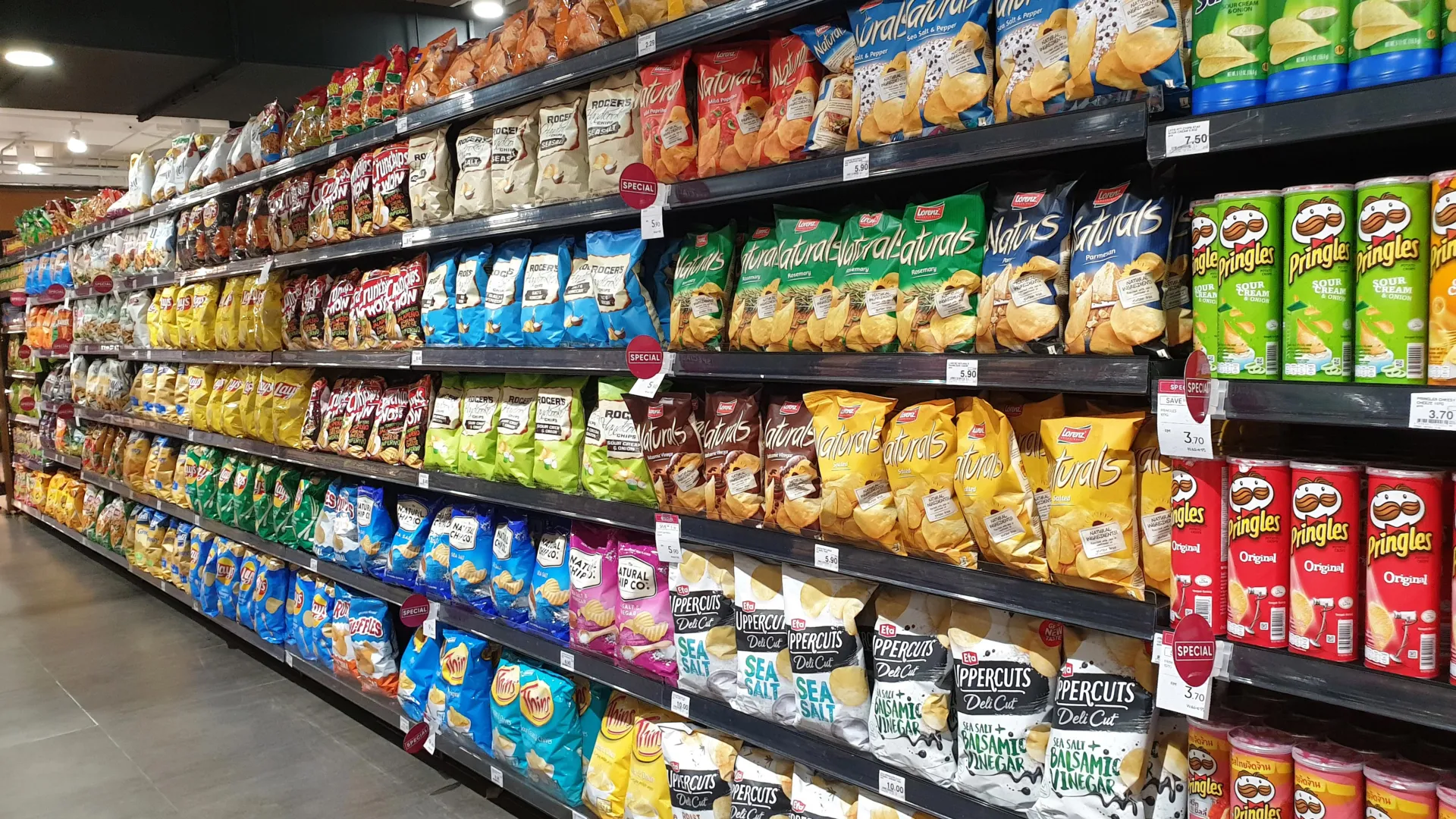
Rising UPF Consumption Sparks Global Health Concerns
International specialists are sounding urgent alerts regarding the swift worldwide increase in ultra-processed foods, cautioning that these UPFs are transforming eating habits and fueling a dramatic uptick in long-term illnesses.
- A comprehensive three-paper series published in The Lancet reveals that ultra-processed foods are quickly overtaking fresh and minimally processed options in diets globally. This shift correlates with declining nutritional standards and elevated chances of various persistent health conditions.
- The researchers note that while additional investigations into UPFs remain important, the existing body of evidence is robust enough to warrant prompt interventions in public health. Delaying action would only permit UPFs to embed themselves deeper into everyday eating patterns around the world.
- The series underscores that enhancing dietary quality cannot depend only on personal choices. Achieving meaningful change demands integrated strategies that restrict the manufacturing, promotion, and distribution of UPFs, while tackling excessive levels of fats, sugars, and salts in the food market and improving availability of wholesome alternatives.
- UPFs are characterized as outcomes of an industrial food production model centered on business gains rather than nutritional value or environmental sustainability. The experts highlight that countering the sway of UPF corporations requires a collaborative global initiative, as their political clout poses the primary barrier to meaningful reforms in food policy.
A landmark three-paper series in The Lancet, authored by 43 experts from around the world, highlights the fast expansion of ultra-processed foods in global diets as a major threat to public health. It outlines the tactics employed by UPF producers to boost their market share and obstruct consumer-protection measures. The publication proposes a framework for enhanced governmental measures, increased community participation, and wider availability of cost-effective, healthy food choices.
Professor Carlos Monteiro from the University of Sao Paulo, Brazil, states, “The escalating intake of ultra-processed foods is fundamentally altering dietary patterns everywhere, pushing aside fresh and minimally processed foods and meals. This dietary transformation is propelled by influential multinational corporations that reap enormous revenues by emphasizing ultra-processed items, bolstered by aggressive advertising and lobbying efforts to thwart robust public health initiatives promoting nutritious eating.”
Calls for Strong, Coordinated Policy Action
Professor Camila Corvalan of the University of Chile, Chile, emphasizes, “Tackling this issue demands that governments take decisive steps with comprehensive policy measures — ranging from incorporating UPF indicators on front-of-pack labeling to curbing advertising and levying taxes on these items to finance expanded access to economical, nutritious foods.”
Dr. Phillip Baker from the University of Sydney, Australia, adds, “A robust worldwide public health campaign is essential — akin to the unified strategies used against the tobacco sector. This includes protecting policy development from lobbying pressures and forming strong alliances to champion equitable, sustainable food systems that challenge corporate dominance.”
According to the Nova classification, UPFs consist of industrially manufactured branded products made from inexpensive components like hydrogenated oils, protein isolates, or glucose-fructose syrups, combined with aesthetic additives such as colors, artificial sweeteners, and emulsifiers. These items are deliberately designed and marketed to supplant fresh produce and conventional meals, all while optimizing profitability for producers.
Research Shows Clear Links Between UPFs and Chronic Disease
The initial paper in the Lancet series examines scientific data accumulated since the Nova system was introduced by Prof. Carlos Monteiro and team in 2009. The results repeatedly demonstrate that UPFs are displacing established eating traditions, degrading overall dietary nutrition, and heightening susceptibility to numerous chronic ailments.
Population-based studies indicate marked growth in UPF intake. The share of calories from UPFs has tripled in Spain from 11% to 32% and in China from 4% to 10% over the last 30 years. In Mexico and Brazil, it climbed from 10% to 23% across the prior four decades. Meanwhile, in the USA and UK, it has hovered above 50% for two decades, showing modest rises.
Growing Body of Evidence Underscores Health Risks
High-UPF diets are connected to excessive calorie consumption, imbalanced nutrients with surplus sugars and unhealthy fats alongside deficits in fiber and protein, plus increased contact with questionable additives. An analysis of 104 prospective studies revealed that 92 indicated elevated risks for at least one chronic condition, with pooled data confirming links to 12 issues like obesity, type 2 diabetes, heart disease, depression, and early mortality.
Though the authors recognize ongoing discussions about Nova and UPF categorizations — such as calls for extended clinical trials, better causal explanations, and accounting for nutritional variations among products — they assert that awaiting more data should not postpone urgent health measures.
Professor Mathilde Touvier from the French National Institute for Health and Medical Research, France, comments, “Scientific discourse on UPFs is valuable, but it must be separated from efforts by industry stakeholders to discredit solid findings. The accumulating evidence points to diets laden with ultra-processed foods damaging health on a global scale, necessitating policy responses now.”
Policy Solutions to Reduce UPFs and Improve Diet Quality
The second paper details strategies to diminish UPF output, promotion, and use, making large firms responsible for pushing unhealthy eating. These suggestions aim to bolster current rules on high-fat, high-salt, high-sugar foods.
Professor Barry Popkin of the University of North Carolina, US, declares, “We advocate adding UPF marker ingredients like colors, flavors, and sweeteners to front-of-package warnings, in addition to high saturated fat, sugar, and salt, to block substitutions of harmful components and facilitate stricter oversight.”
Marketing Restrictions, School Policies, and Fresh Food Access
Recommendations include tighter controls on marketing, especially targeting youth, online ads, and brand promotions. Proposals also cover prohibiting UPFs in public institutions like schools and hospitals, and limiting their display space in stores. Brazil’s school meal initiative exemplifies success, eliminating most UPFs and mandating 90% fresh or minimally processed foods by 2026.
In tandem with controls, boosting fresh food availability is crucial. Taxes on certain UPFs could finance subsidies for better options, aiding lower-income groups.
Professor Marion Nestle from New York University, US, observes, “Global dietary improvements hinge on context-specific policies addressing local UPF entrenchment in routines. Though focuses vary, swift measures to regulate ultra-processed foods must complement ongoing HFSS reductions everywhere.”
Associate Professor Gyorgy Scrinis of the University of Melbourne, Australia, supplements, “Policies should guarantee accessibility and affordability of fresh, minimally processed foods — accommodating those short on cooking time, like working families seeking convenience. Pairing rigorous controls on subpar products with practical aid for superior choices is key to universal dietary enhancement.”
How Corporate Power Drives the Global UPF Boom
The third paper attributes the steep UPF consumption growth chiefly to multinational food giants, not consumer preferences. These entities leverage cheap inputs, mass production, and compelling ads to foster broad adoption.
UPFs generate $1.9 trillion in yearly global revenue, forming the food sector’s prime profit area. Producers have distributed over half of the $2.9 trillion in shareholder returns from listed food firms since 1962. These earnings sustain growth, marketing might, and policy sway, solidifying corporate control of food landscapes.
UPF firms deploy advanced political maneuvers to defend stakes: obstructing rules, swaying research narratives, molding perceptions, backing lobby groups, funding campaigns, and litigating to stall reforms.
Professor Simon Barquera from Mexico’s National Institute of Public Health states, “Mighty corporations, not personal decisions, propel the worldwide ultra-processed food surge. Via proxies, they portray themselves as allies, yet prioritize profit protection over regulatory compliance.”
Urgent Need for a Unified Global Response
The authors urge a worldwide health drive to shield policymaking from industry meddling, sever industry-health ties, and fortify advocacy for lower UPF use.
Professor Karen Hoffman of the University of the Witwatersrand, South Africa, asserts, “Mirroring the tobacco challenge from decades past, we require a daring, unified global push to neutralize excessive UPF corporate influence and foster health-centric, equitable food systems.”
Food system overhaul demands elevating local growers, safeguarding culinary heritage, advancing gender balance, and channeling gains to communities over remote investors.
Dr. Phillip Baker wraps up, “Our reality features UPF-dominated choices fueling obesity, diabetes, and mental health woes globally. This series charts an alternative: effective governance, community action, and attainable healthy diets for everyone.”