

Overview
President Trump and members of his administration have justified recent deadly assaults on civilians abroad by claiming that the boats they were in were carrying illicit drugs and that the alleged drug smuggling constitutes an armed attack on the United States. We possess effective prevention, treatment, and harm reduction interventions that significantly reduce overdose deaths and other related harms. Instead of pursuing inhumane, unjust, and ineffective military actions overseas, the U.S. should prioritize embracing and adequately funding these proven initiatives domestically.
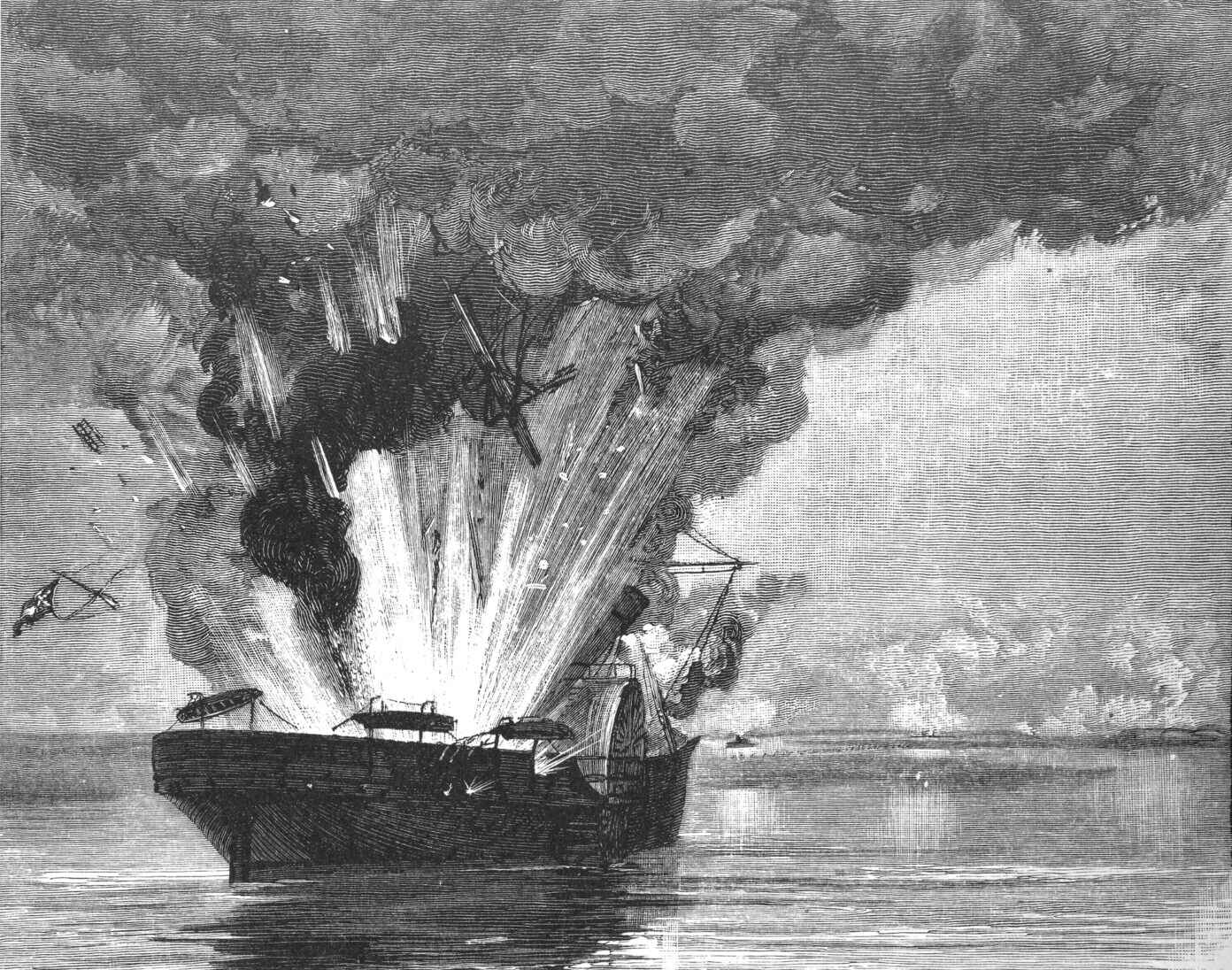
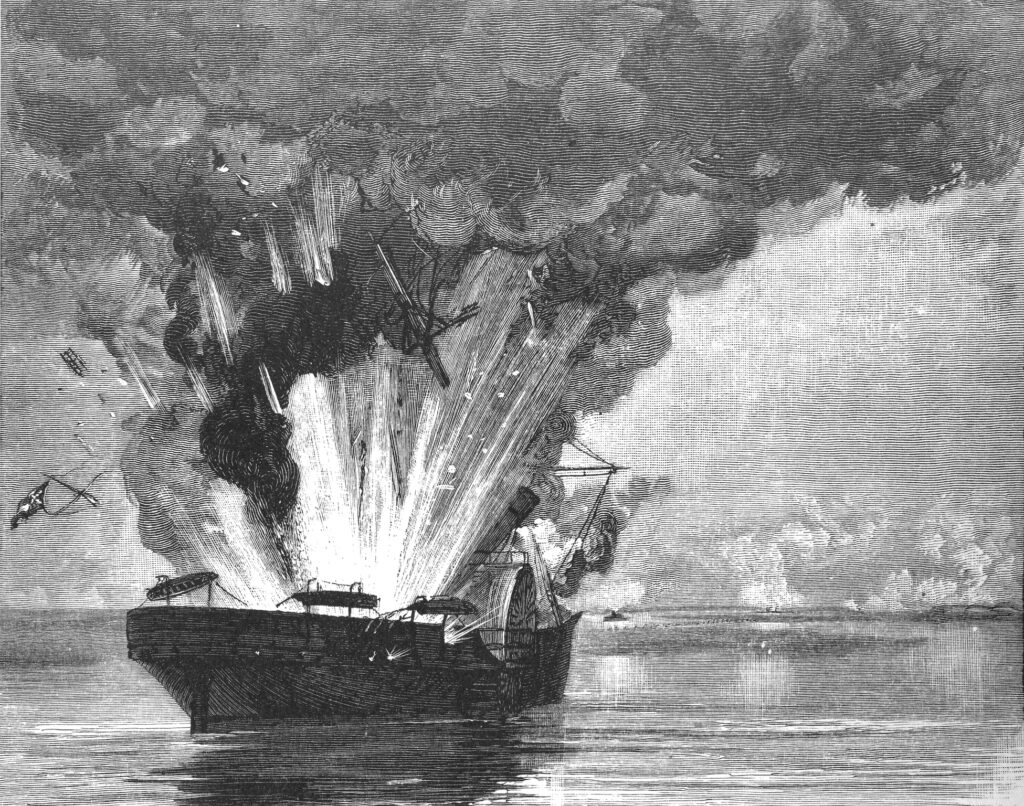
At the time of this writing, the U.S. military has conducted attacks and sunk at least five vessels operating in international waters, located thousands of miles away from American shores. The initial incident took place on September 2, when the navy repeatedly struck a boat carrying 11 people onboard. President Donald Trump promised, There’s more where that came from. Subsequently, the U.S. military sank a second boat on September 15, followed by a third several days later. In early October, a fourth vessel was destroyed, with a fifth following on October 14. All individuals onboard these ships at least 27 people, all civilians perished in the attacks.
President Trump and his administration members justified these deadly assaults on civilians by asserting that the boats were transporting illicit drugs. Trump also claimed that the first vessel was operated by Tren de Aragua, a loosely organized Venezuelan gang. However, the administration has failed to provide any solid evidence to support either of these contentions. Recently, Trump has attempted to rationalize the attacks by declaring that the U.S. is engaged in an armed conflict with drug cartels, labeling cartel members as unlawful combatants, and stating that the alleged drug smuggling constitutes an armed attack on the United States.
This position is, to put it plainly, the international law equivalent of declaring bankruptcy in a simplistic manner. As reported by the New York Times, it is illegal for the military to deliberately kill civilians even suspected criminals who are not directly participating in hostilities. The so-called war on drugs is not actually a war, and Congress has not authorized military action against the individuals or organizations purportedly piloting the destroyed vessels. The U.S. can and routinely does arrest and try alleged drug traffickers captured offshore in civilian courts.
The apparent illegality of these extrajudicial killings does not seem to concern the administration. Defense Secretary Pete Hegseth wrote on social media, These strikes will continue until the attacks on the American people are over. When Vice President JD Vance a Yale law school graduate and former Marine was informed that the unprovoked killings might constitute a war crime, he responded, I don’t give a sh*t what you call it. Speaking to the United Nations, Trump was equally blunt: To every terrorist thug smuggling poisonous drugs into the United States of America, please be warned that we will blow you out of existence.
These actions and statements are profoundly alarming, both in themselves and as indicators of broader trends: the ongoing erosion of the Constitutional order, the debasement of the rule of law, and the persistent use of the war on drugs to justify American interference abroad. Venezuela is not a major source of illicit drugs to the U.S., and almost no fentanyl originates from that country. It is, however, a political thorn in the side of the president, and many believe these attacks serve as a prelude to military action aimed at removing the country’s president, Nicolas Maduro. This evokes memories of the U.S. invasion of Panama in 1989, which was widely condemned internationally and resulted in the deaths of hundreds of Panamanians, including numerous civilians, as well as 26 Americans.
Presidential actions and international law are largely governed by established norms. Irrespective of the administration’s intent, it is crucial that these actions are not further normalized. The war on drugs is now and always has been a war on the weak, the other, and those the government finds bothersome. We have effective prevention, treatment, and harm reduction interventions that reduce overdose and other harms. The U.S. should embrace and fund those initiatives at home, not engage in inhumane, unjust, and ineffective attacks abroad.
This post was written by Corey Davis, J.D., M.S.P.H., Director, Network for Public Health Law—Harm Reduction Legal Project.
The Network promotes public health and health equity through non-partisan educational resources and technical assistance. These materials are provided solely for educational purposes and do not constitute legal advice. The Network’s provision of these materials does not create an attorney-client relationship with you or any other person and is subject to the Network’s Disclaimer.
Support for the Network is provided by the Robert Wood Johnson Foundation. The views expressed in this post do not represent the views of and should not be attributed to RWJF.