
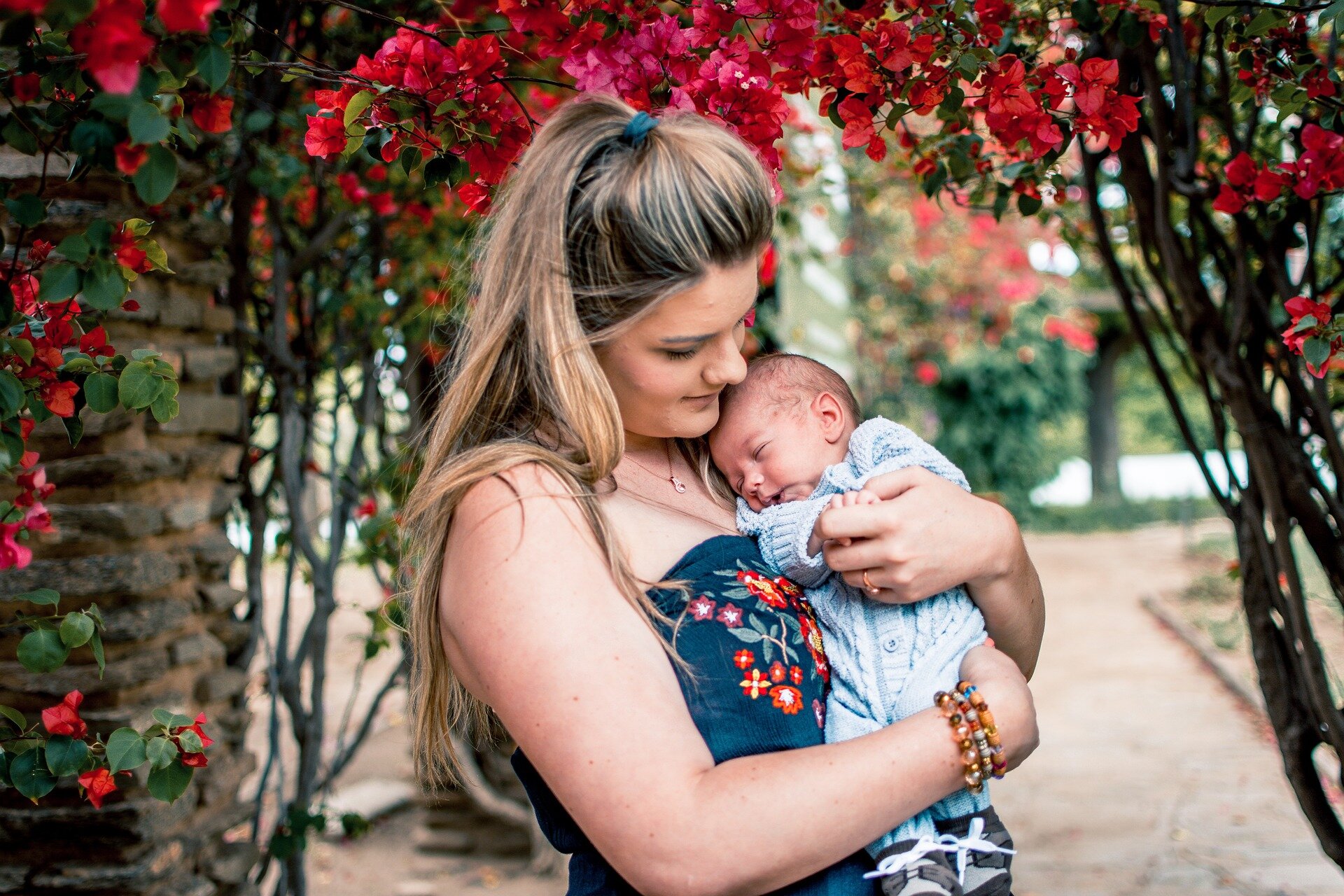
Up to 75% of Australian women face body image concerns after childbirth, pressured to quickly regain their pre-pregnancy figure—a stress that can spark eating disorders, according to Flinders University researchers.
Social Pressures Fuel the Struggle
A comprehensive review in Body Image, analyzing 36 studies, reveals how partners, family, and cultural norms influence body dissatisfaction and disordered eating during pregnancy and the first postpartum year.
Key Findings from the Research
- Supportive partners and social networks boost body positivity.
- Negative comments and ‘bounce back’ pressure exacerbate issues.
- Media portrayals and appearance-focused advice often harm more than help.
- Women with eating disorder histories are especially vulnerable to weight-related feedback.
Lead researcher Madeleine Rhodes emphasizes that these challenges extend beyond individual control. “The people and environments around new moms significantly shape their body perceptions and eating behaviors,” she notes.
Protective and Risk Factors
Emotional support from loved ones and non-judgmental healthcare guidance serve as buffers. Conversely, interpersonal abuse, sociocultural thin-ideal pressures, and inadequate professional discussions about body changes heighten risks.
Senior author Professor Ivanka Prichard criticizes celebrity ‘bounce back’ narratives: “This cultural fixation is unrealistic and damaging, affecting mothers, babies, and families alike.”
Recommendations for Better Support
- Healthcare providers should routinely screen for body image and eating concerns.
- Partners and families must prioritize emotional support over appearance comments.
- Public campaigns should champion body functionality and self-compassion.
- Involve social networks in targeted interventions.
The researchers call for a collective shift from blaming individuals to building supportive systems during this transformative life stage.